Key Takeaways
- Modern HR technology automates repetitive tasks, allowing employees to focus on meaningful, strategic work.
- Integrated systems unlock collaboration and streamline interdepartmental communication.
- Real-time data from HR platforms empowers better decision-making and future planning.
- Robust digital tools drive continuous employee development and improve workforce management.
- Investment in HR solutions translates into lower costs, fewer errors, and greater efficiency throughout the organization.
Modern Human Resources (HR) technology is transforming the way organizations operate, driving significant improvements in productivity and employee engagement. In today’s competitive business landscape, companies need to maximize efficiency while ensuring their workforce remains satisfied and motivated. Technology solutions make this possible by streamlining complex processes and increasing visibility across HR functions. For organizations considering a platform update, a comprehensive resource like the Lattice to ADP migration guide can provide valuable support during transitions.
The right HR tech empowers businesses by automating administrative work, consolidating data, and offering tools that promote transparency and communication. This evolution in HR means teams can now focus less on paperwork and more on high-value tasks that support organizational strategy and growth. These powerful features allow companies to remain adaptive, attract and nurture talent, and improve collaboration at every level.
Automating Administrative Tasks
One of the most impactful benefits of HR technology is automating administrative tasks that once consumed countless hours. Platforms now handle payroll, benefits enrollment, time-off requests, and compliance tasks with just a few clicks. By automating these repetitive processes, HR professionals can devote more energy to strategic work such as talent management and workforce planning. Automation not only reduces time spent on manual data entry but also reduces errors and ensures swift compliance with regulatory requirements.
In addition, HR automation extends to onboarding and offboarding workflows, which traditionally require significant time commitment. Automated onboarding tools can help new hires get up to speed faster by delivering welcome materials, facilitating e-signatures for documents, and collecting necessary information without bottlenecks. Offboarding, too, is handled efficiently, reclaiming assets, disabling accounts, and distributing exit surveys, minimizing disruption and capturing important feedback for future improvements. By addressing every stage of the employee lifecycle with digital efficiency, organizations benefit from streamlined operations and more consistent outcomes.
Enhancing Communication and Collaboration
Integrated HR systems make internal communication smoother and more effective. These platforms often include features such as centralized document repositories, policy dissemination, and real-time notifications, so all employees have ready access to mission-critical information. By connecting people and providing access to consistent, up-to-date resources, organizations reduce confusion and build a culture of collaboration.
Furthermore, many HR tech solutions incorporate internal messaging tools and collaborative workspaces, making it easy for teams to share ideas, track project progress, and resolve challenges in real time. This interconnectivity not only improves productivity but also enables cross-functional teams to work together efficiently, regardless of geographic location. As remote and hybrid work arrangements become the norm, unified communication platforms built into HR tech are critical for maintaining engagement, fostering a sense of belonging, and supporting knowledge sharing across the organization.
Providing Data-Driven Insights
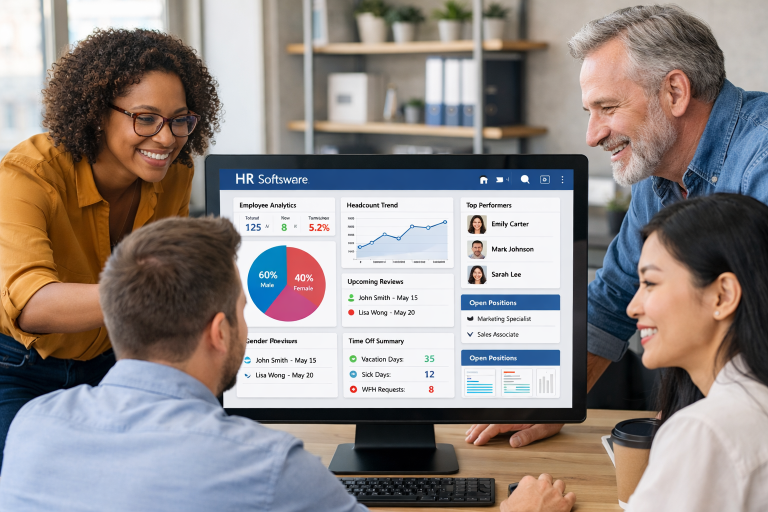
Collecting data is now easier than ever, and advanced HR analytics tools allow businesses to extract meaningful insights from employee trends and performance metrics. Leaders can quickly identify workforce strengths, flag emerging issues, and monitor the effectiveness of HR initiatives. This level of analysis supports informed decisions around hiring, promotions, diversity programs, and employee retention strategies.
With predictive analytics and AI-powered dashboards, organizations can forecast talent needs, anticipate skill gaps, and plan targeted interventions. These data-driven forecasts allow HR teams to respond proactively rather than reactively, reducing turnover and boosting engagement. Moreover, visualization tools help make sense of complex data sets, enabling even non-technical users to extract actionable insights. Ultimately, these capabilities facilitate transparency and help organizations adopt measurable strategies for continuous improvement.
Supporting Employee Development and Performance Management
Modern HR tools provide ongoing support for employee learning and development as well as robust performance management features. These systems often offer continuous feedback, comprehensive goal tracking, and personalized learning opportunities. Managers can use HR software to set clear objectives, monitor progress, and adjust plans in real time. This creates a positive feedback loop that encourages professional growth and helps align employee ambitions with organizational goals. Enhanced development and recognition also bolster employee morale and reduce turnover rates.
Learning management systems (LMS) are frequently integrated into HR platforms, providing employees with self-service access to curated resources. Individualized learning paths adapt to varying skill levels and interests, enabling faster upskilling and broader organizational capabilities. Performance management modules also facilitate transparent reviews and promote open dialogue, giving employees autonomy over their professional journeys. As a result, organizations benefit from a more skilled, loyal, and motivated workforce.
Achieving Cost Savings and Efficiency Gains
Organizations that deploy advanced HR solutions often see meaningful cost reductions. By eliminating manual processes, organizations minimize the potential for costly errors and free up valuable human resources for higher-order thinking and innovation. Additionally, streamlined workflows and improved reporting allow for better resource allocation and project management. Over time, these benefits contribute to lower operating costs, enhanced employee satisfaction, and a more agile approach to business challenges.
HR technology also enables organizations to scale quickly without significantly increasing administrative overhead. Whether hiring in new locations or pivoting to meet changing business requirements, digital tools support seamless expansion. Automated compliance tracking, real-time financial dashboarding, and centralized documentation further safeguard organizations against costly mistakes while supporting sustainable growth. As a result, investment in HR tech is a proactive strategy for both short-term efficiencies and long-term success.
Conclusion
Embracing modern HR technology is essential for organizations seeking to enhance productivity and maintain a motivated workforce. Automation, data-driven decision-making, improved communication, and stronger employee development programs collectively enable companies to succeed in a rapidly changing marketplace. As businesses continue to navigate digital transformation, investing in the right HR tech will be a key driver of ongoing success and growth.
Ultimately, integrating modern HR technology creates workplaces that are more agile, informed, and adaptable. As business needs evolve and the workforce grows more diverse, HR tech empowers organizations to personalize employee experiences, optimize resource use, and navigate the challenges of tomorrow with confidence. In an era where productivity and engagement are competitive advantages, a forward-thinking approach to HR technology is no longer optional but essential for organizational resilience and prosperity.